Source Portable Roll On Glass Perfume Bottle for Skincare, Serums, and Aromatherapy
Compare 30 listings for the portable roll on glass perfume bottle featuring glass material, stainless steel or plastic roller balls, and capacities from 2ml to 50ml. Buyers can evaluate options for perfumes, essential oils, and skincare products with various closure types and customization availability.
Key considerations
Products List
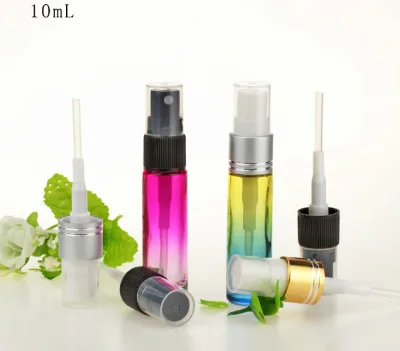


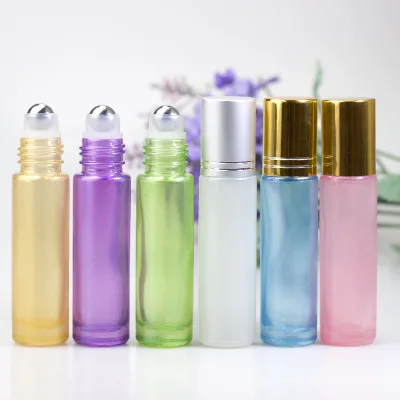
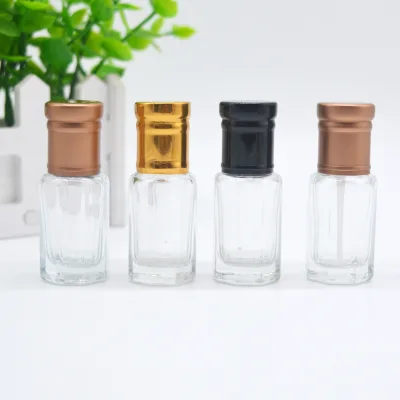
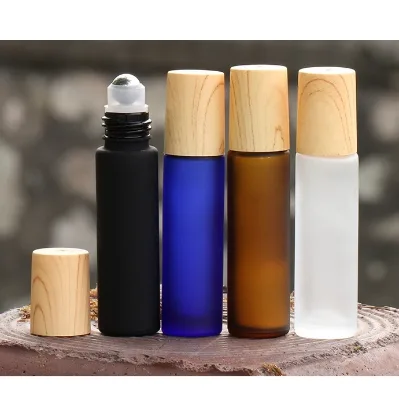


Comprehensive Sourcing Guide
Strategic Sourcing Guide for Portable Roll-On Glass Perfume Bottles
Procuring portable roll-on glass perfume bottles requires a nuanced understanding of the intersection between glass manufacturing, mechanical closure systems, and cosmetic packaging standards. The market for these containers is characterized by significant variability in specifications, ranging from the specific dimensions of the roller ball to the chemical resistance of the glass and the precision of the sealing mechanism. Buyers must navigate a landscape where product attributes such as capacity, closure type, and customization options are often listed with conflicting or overlapping data points. This guide provides a structured approach to evaluating suppliers and products, ensuring that procurement decisions are based on verified technical realities rather than marketing generalizations.
Technical Specifications and Material Integrity
The foundational element of any roll-on bottle is the glass vessel itself. In the context of portable perfume packaging, the material is predominantly glass, selected for its chemical inertness and ability to preserve the integrity of essential oils and fragrances. The observed market data indicates a wide range of capacities, including 2ml, 3ml, 5ml, 10ml, 15ml, and options extending up to 50ml. When sourcing, it is critical to verify the specific capacity against the intended application. For instance, a 10ml bottle is standard for travel-sized perfumes, while larger capacities may be better suited for skincare serums or aromatherapy oils.
The closure system is equally vital. The mechanism typically involves a screw cap that houses a roller ball. The roller ball material is a key differentiator; observed specifications list both stainless steel and plastic options. Stainless steel rollers are generally preferred for durability and hygiene, particularly when the bottle is intended for repeated use or for products that may degrade plastic over time. Conversely, plastic rollers may be selected for cost reduction or specific aesthetic requirements. The sealing type is often described as a sprayer cap or screw cap, but for roll-on applications, the critical factor is the tightness of the seal to prevent leakage during transport. Buyers should verify that the closure type matches the specific mechanical design of the roller mechanism to ensure a leak-proof experience.
Surface finishing and decoration also play a role in the product's functionality and appeal. Common attributes include screen printing, matte finishes, and gradient colors. The color of the glass can vary from clear to transparent, black, or custom colors. It is important to note that while "Custom Color" is a frequently listed attribute, the feasibility and cost implications of custom coloring can vary significantly by supplier. The standard production capabilities often include 1ml, 5ml, 10ml, and 15ml as standard sizes, but buyers must confirm if these are the only available options or if custom molds are required for other capacities.
Compliance, Certification, and Safety Standards
In the B2B procurement of cosmetic and personal care packaging, compliance is not merely a formality but a prerequisite for market access. The supply chain for these bottles often involves products originating from regions such as Hebei and Ningbo in China. When evaluating suppliers, buyers must look for specific certifications that validate the safety and quality of the packaging materials. Observed data lists a range of approvals including CE, EMF, GS, RoHS, Saso, UL, and UR. These certifications indicate that the product meets various international safety and environmental standards.
However, the presence of these certifications in a product listing does not guarantee that every unit in a specific order will be certified. Buyers must request valid, up-to-date certification documents for the specific batch or production line they are purchasing. RoHS compliance, for instance, is crucial for ensuring that the materials used in the roller ball and the glass do not contain restricted hazardous substances. Similarly, CE and UL certifications are essential if the product is intended for markets in Europe or North America, respectively.
The "Feature" attributes often highlight sustainability, safety, and eco-friendliness. While these are positive indicators, they should be treated as observations rather than absolute claims. Buyers should verify the specific sustainability claims, such as the recyclability of the glass or the sourcing of the materials, through third-party audits or supplier documentation. The "Approval" section in supplier data often lists multiple standards, but the buyer must ensure that the specific product variant being ordered aligns with the regulatory requirements of the destination market. For example, if the product is intended for the Middle East, Saso certification becomes a critical requirement.
Cost Drivers and Economic Considerations
The economics of sourcing roll-on glass perfume bottles are influenced by several factors, including material costs, customization complexity, and order volume. The observed price range in the market is quite broad, spanning from $0.01 to $7 per unit. This variance is driven by the capacity of the bottle, the complexity of the roller mechanism, and the extent of customization. A simple 5ml clear glass bottle with a standard screw cap will likely be at the lower end of this spectrum, while a 15ml bottle with a gradient finish, custom color, and stainless steel roller will command a higher price.
Minimum Order Quantity (MOQ) is another significant cost driver. The data indicates an MOQ range from 50 to 1,000,000 units. This wide range suggests that suppliers cater to both small-batch startups and large-scale manufacturers. For buyers with smaller initial orders, the per-unit cost may be higher due to the setup costs associated with custom molds or screen printing. Conversely, larger orders benefit from economies of scale, reducing the per-unit cost significantly. However, buyers must be cautious of the "Color MOQ" attribute, which sometimes lists requirements as high as 20,000 pieces for custom colors. This can be a barrier for buyers seeking small batches of unique designs.
Lead times also impact the overall cost structure. A standard delivery time of 25 days is observed in the market data. This timeline includes production and shipping preparation. Buyers must factor in this lead time when planning their inventory to avoid stockouts. Additionally, the availability of free samples (typically 2-3) can be a valuable tool for cost management, allowing buyers to test the product before committing to a large order. However, the cost of shipping samples should be considered, and buyers should clarify whether the sample cost is refundable upon placing a bulk order.
Typical Applications and Usage Scenarios
The versatility of portable roll-on glass perfume bottles makes them suitable for a diverse range of applications. The primary use cases identified in the market data include perfumes, essential oils, aromatherapy, and skincare products. The "Application" attributes often list Serums, Perfumes, Hair Oils, and Essential Oils, indicating that these bottles are not limited to fragrance but are also used for therapeutic and cosmetic purposes.
For essential oil users, the glass material is preferred due to its resistance to the corrosive nature of certain oils. The roll-on mechanism allows for precise application, which is particularly useful for targeted treatments in aromatherapy and skincare. The "Best Usage" attributes also mention air fresheners and skin care, suggesting that these bottles can be repurposed for diffusing scents or applying topical treatments.
The "Applicable Population" is listed as "All," which implies that the bottles are designed for general consumer use. However, buyers should consider the specific needs of their target demographic. For example, bottles intended for children or sensitive skin may require additional safety features or specific material certifications. The "Function" attributes, such as health care, humidifier, and air aroma, further expand the potential applications, indicating that these bottles can be integrated into broader wellness and lifestyle products.
Supplier Evaluation and Quality Control
Evaluating suppliers requires a rigorous approach to ensure that the product meets the buyer's specifications and quality standards. The "Customization" attribute is listed as "Available" or "Accept," indicating that most suppliers are willing to tailor the product to the buyer's needs. However, the extent of customization can vary. Buyers should clearly define their requirements for capacity, color, closure type, and surface printing before engaging with a supplier.
Quality control is paramount, especially given the mechanical nature of the roll-on mechanism. Buyers should verify that the roller ball moves smoothly and that the seal is tight. The "Warranty" attribute, listed as 1 year in some cases, suggests that some suppliers stand behind their products, but this should be confirmed in the contract. Additionally, the "Sample" attribute indicates that suppliers offer samples, which is a critical step in the quality control process. Buyers should request samples to test the product for leakage, roller movement, and overall durability.
The "prod_packing" attribute, which lists "Carton+Pallet" or "Carton," highlights the importance of packaging in the procurement process. Proper packaging is essential to prevent breakage during shipping, especially for glass products. Buyers should ensure that the packaging is robust and suitable for the intended shipping method. The "Delivery Time" of 25 days should be included in the contract, with penalties for delays to protect the buyer's interests.
Long-Term Procurement Considerations
Sourcing portable roll-on glass perfume bottles is not a one-time transaction but part of a long-term supply chain strategy. Buyers should consider the scalability of the supplier's production capabilities. The observed MOQ range suggests that suppliers can handle both small and large orders, but buyers must ensure that the supplier can maintain consistent quality as order volumes increase.
Sustainability is another long-term consideration. The "Feature" attributes highlight sustainability and eco-friendliness, which are increasingly important to consumers and regulatory bodies. Buyers should evaluate the supplier's commitment to sustainable practices, such as the use of recycled glass or eco-friendly packaging materials.
Finally, the "Brand Name" attribute, listed as "Baotou" in some cases, indicates that some suppliers may have established brand recognition. However, buyers should focus on the product specifications and quality rather than the brand name alone. The "Model Number" and "Product Name" attributes, such as "perfume glass bottle" and "roll on bottle," provide a standardized way to reference products, but buyers should ensure that the specific model matches their requirements.
In conclusion, sourcing portable roll-on glass perfume bottles requires a careful balance of technical specifications, compliance checks, cost management, and supplier evaluation. By adhering to the guidelines outlined in this guide, buyers can make informed decisions that ensure the quality and reliability of their packaging solutions. The market offers a wide range of options, but success depends on thorough due diligence and clear communication with suppliers.
Comparison of Key Product Attributes
| Attribute | Standard Observation | Buyer Verification Requirement |
|---|---|---|
| Capacity | 2ml, 3ml, 5ml, 10ml, 15ml, 50ml | Confirm specific capacity for the intended application. |
| Roller Material | Stainless Steel, Plastic | Verify material suitability for the specific oil or serum. |
| Closure Type | Screw Cap, Roll-On Cap | Ensure compatibility with the roller mechanism. |
| Customization | Available, Accept | Define exact requirements for color, printing, and mold. |
| MOQ | 50 - 1,000,000 pcs | Check if custom color MOQ (e.g., 20,000 pcs) applies. |
| Lead Time | 25 Days | Confirm delivery timeline in the contract. |
| Certifications | CE, RoHS, UL, Saso, etc. | Request valid documentation for the specific batch. |
| Packing | Carton, Carton+Pallet | Ensure packaging prevents breakage during transit. |
This table summarizes the critical attributes that buyers must verify to ensure a successful procurement process. By focusing on these details, buyers can mitigate risks and secure high-quality packaging solutions for their products.
FAQs
What materials are used for the roller ball in these bottles?
Roller balls are typically made from stainless steel or plastic. Stainless steel offers better durability and hygiene, while plastic options may be selected for cost reduction or specific aesthetic requirements.
Which capacities are available for portable roll on glass perfume bottles?
Available capacities include 2ml, 3ml, 5ml, 10ml, 15ml, and options extending up to 50ml. Buyers must verify the specific capacity against their intended application, as standard sizes often include 1ml, 5ml, 10ml, and 15ml.
Can I get custom colors for these glass perfume bottles?
Custom colors are available, but specific color minimum order quantities may apply. Some suppliers require a minimum of 20,000 pieces for custom color orders, so buyers should confirm feasibility and costs before placing an order.
What certifications do these bottles typically meet for safety?
Products often carry approvals such as CE, RoHS, UL, and Saso. These certifications indicate compliance with international safety and environmental standards, but buyers must request valid documents for the specific batch they intend to purchase.
How long is the standard delivery time for these bottles?
The standard delivery time is typically 25 days. This timeline includes production and shipping preparation, so buyers should factor this into their inventory planning to avoid stockouts during the procurement process.
What is the minimum order quantity for these glass bottles?
Minimum order quantities range from 50 to 1,000,000 units depending on the supplier. Some specific color customizations may require a minimum of 20,000 pieces, while standard orders can start as low as 1,000 pieces.
Where are these portable roll on glass perfume bottles manufactured?
Products originate from locations such as Hebei and Ningbo in China. Buyers should verify the specific place of origin to ensure it aligns with their logistical requirements and any regional trade regulations.
What applications are suitable for these roll on perfume bottles?
These bottles are suitable for perfumes, essential oils, aromatherapy, and skincare serums. The glass material resists corrosion from oils, making them ideal for targeted application in health care and personal care products.